
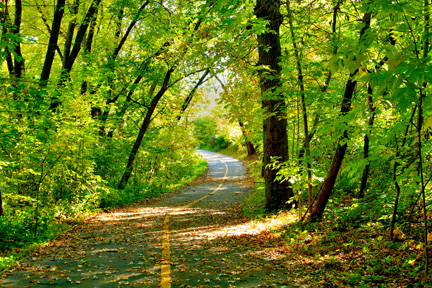
 The Bronx River Greenway is a 25-mile-long ribbon of green with a multi-use path that will extend along the full length of the river in Westchester County and the Bronx. Approximately 20 miles of the greenway are now in place, and the Bronx River Alliance is working to ensure that a fully-realized greenway is a reality. Allowing both bike and pedestrian traffic, the greenway will develop new open space in neighborhoods severely lacking it and restore existing parks. It will reclaim the waterfront and improve the quality of life for Bronx residents.
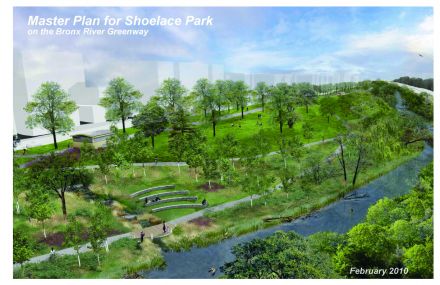
The Alliance promotes, supports and coordinates completion of the eight miles of greenway in the Bronx while working to make a full connection with the Westchester portion of the Greenway. Large portions of the greenway, just need to be rehabilitated. In the South Bronx, completion of the greenway involves the development of new open space and parkland at sites including a reclaimed street end, and a long-neglected stretch of land across the river from Starlight Park.
Our community focus ensures that Bronx residents will join with designers and agency representatives to decide how parks will be designed and projects will be implemented. This type of decision-making provides community residents with invaluable experience that lays the groundwork for tackling other community problems.
The Bronx River Greenway is a 25-mile-long ribbon of green with a multi-use path that will extend along the full length of the river in Westchester County and the Bronx. Approximately 20 miles of the greenway are now in place, and the Bronx River Alliance is working to ensure that a fully-realized greenway is a reality. Allowing both bike and pedestrian traffic, the greenway will develop new open space in neighborhoods severely lacking it and restore existing parks. It will reclaim the waterfront and improve the quality of life for Bronx residents.
The Alliance promotes, supports and coordinates completion of the eight miles of greenway in the Bronx while working to make a full connection with the Westchester portion of the Greenway. Large portions of the greenway, just need to be rehabilitated. In the South Bronx, completion of the greenway involves the development of new open space and parkland at sites including a reclaimed street end, and a long-neglected stretch of land across the river from Starlight Park.
Our community focus ensures that Bronx residents will join with designers and agency representatives to decide how parks will be designed and projects will be implemented. This type of decision-making provides community residents with invaluable experience that lays the groundwork for tackling other community problems.
Quick Facts
- There are currently 44 acres of parkland along the greenway. Once complete, 633 acres of parklands will become available.
- The full trail system in the Bronx will offer 12 miles of on- and off-street trails along the Bronx River in the New York City. There are currently 9 miles complete.
- The Bronx River Greenway is the only trail along a freshwater river in all of New York City.
Learn more about the Greenway Team
 |
.jpg) |
 |